Most workplaces need cleaners, but not every site has the same risks. Clinical cleaning services exist to control infection and cross-contamination in healthcare-style environments, while standard office cleaning focuses on appearance, comfort, and everyday hygiene.
In Australia, these differences show up in everything from training and chemicals to documentation and quality checks. This guide explains what separates the two, so decision-makers can match the right service to the right site.
What are clinical cleaning services, in simple terms?
Clinical cleaning services are specialised cleaning and disinfection tasks designed for environments where infection prevention matters. They use stricter processes, higher-grade disinfectants, and tighter controls to reduce pathogen spread.
In Australia, they are commonly used in GP clinics, dental practices, day hospitals, imaging centres, allied health rooms, and aged care areas within facilities.
What does standard office cleaning typically cover?
Standard office cleaning is mostly routine housekeeping to keep a workplace neat, dust-free, and pleasant. It usually includes bins, vacuuming, mopping, kitchenettes, bathrooms, and wiping visible marks.
It is aimed at general cleanliness rather than clinical risk reduction, which is why it often uses simpler methods, fewer verification steps, and less specialised training.
Why do risk levels change the entire cleaning approach?
Clinical spaces carry higher consequences if cleaning fails because pathogens can move between people, rooms, and surfaces quickly. That’s why clinical cleaning services are built around controlling contamination pathways, not just removing dirt.
In an office, the same mistake might be unpleasant. In a treatment room, it can affect patient safety, staff health, and business continuity.
Which sites in Australia usually require clinical-grade cleaning?
They are most common anywhere patients are treated or bodily fluids may be present. That includes GP consult rooms, procedure rooms, dental surgeries, pathology collection centres, and some NDIS provider spaces.
Many Australian workplaces also need hybrid coverage, like corporate offices with first aid rooms, visiting clinicians, or onsite physio where clinical cleaning services may apply to specific zones.
How do cleaning products and disinfectants differ?
Office cleaners typically use general-purpose detergents and surface sprays suitable for everyday grime. Clinical environments often require disinfectants with defined contact times and suitability for high-touch, high-risk surfaces.
Clinical cleaning services also pay closer attention to dilution, dwell time, compatibility with medical-grade finishes, and safe storage to prevent chemical misuse.
What is the difference between cleaning, sanitising, and disinfecting?
Cleaning removes visible soil, dust, and organic matter, which can block disinfectants from working. Sanitising reduces germs to safer levels, often used in food areas.
Disinfecting kills or inactivates pathogens on surfaces using approved products and correct dwell times. Clinical cleaning services rely on this sequence because skipping steps can leave infectious material behind.
How do high-touch and high-risk areas change priorities?
Office cleaning often treats surfaces similarly, with extra attention to kitchens and bathrooms. Clinical sites prioritise high-touch points that can carry pathogens, such as door handles, chair arms, taps, switches, and reception counters.
In clinical cleaning services, the cleaner’s route and order can be designed to avoid spreading contamination from dirtier zones into cleaner zones.
How do they manage cross-contamination differently?
Office teams may use the same cloth type across multiple areas with simple changes. Clinical teams typically use colour-coded systems, single-use wipes where needed, and strict separation of tools between rooms.
Clinical cleaning services also control movement, waste handling, and hand hygiene more tightly to reduce accidental transfer between patient areas.
What training and supervision expectations are different?
Office cleaners are usually trained for efficiency, presentation, and safe chemical use. Clinical environments demand additional competencies, including infection control basics, correct disinfectant technique, PPE use, and safe management of contaminated materials.
Because of higher risk, clinical cleaning services often include closer supervision, refreshers, and clearer escalation steps when incidents occur.
What personal protective equipment is usually required?
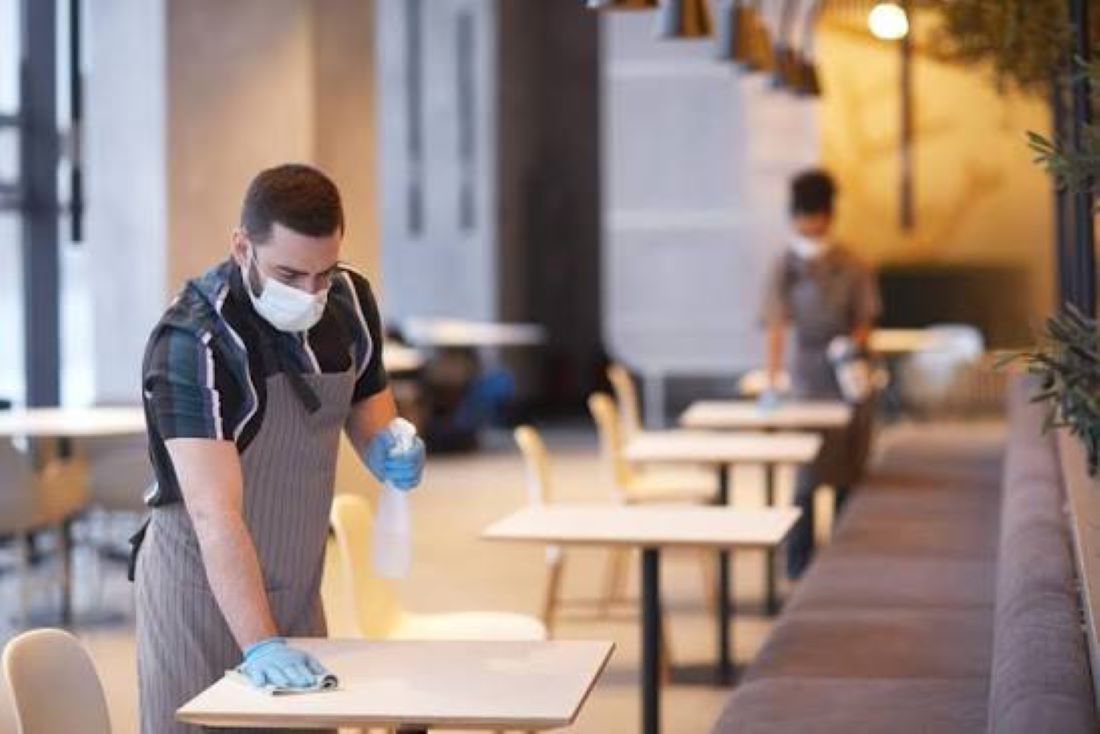
Office cleaning may involve gloves and sometimes eye protection, depending on chemicals. Clinical environments can require broader PPE such as masks, gowns or aprons, and eye protection, based on exposure risk and site policies.
For clinical cleaning services, PPE selection is tied to tasks and zones, and incorrect use can be as risky as not wearing it.
How is waste handled differently in clinical environments?
Office waste is typically general waste and recyclables. Clinical environments may include contaminated waste streams, sharps disposal processes, and rules for handling items exposed to bodily fluids.
Clinical cleaning services follow stricter bagging, sealing, and transport methods, and they avoid compressing or mishandling waste that could cause exposure.
Do clinical sites need different equipment?
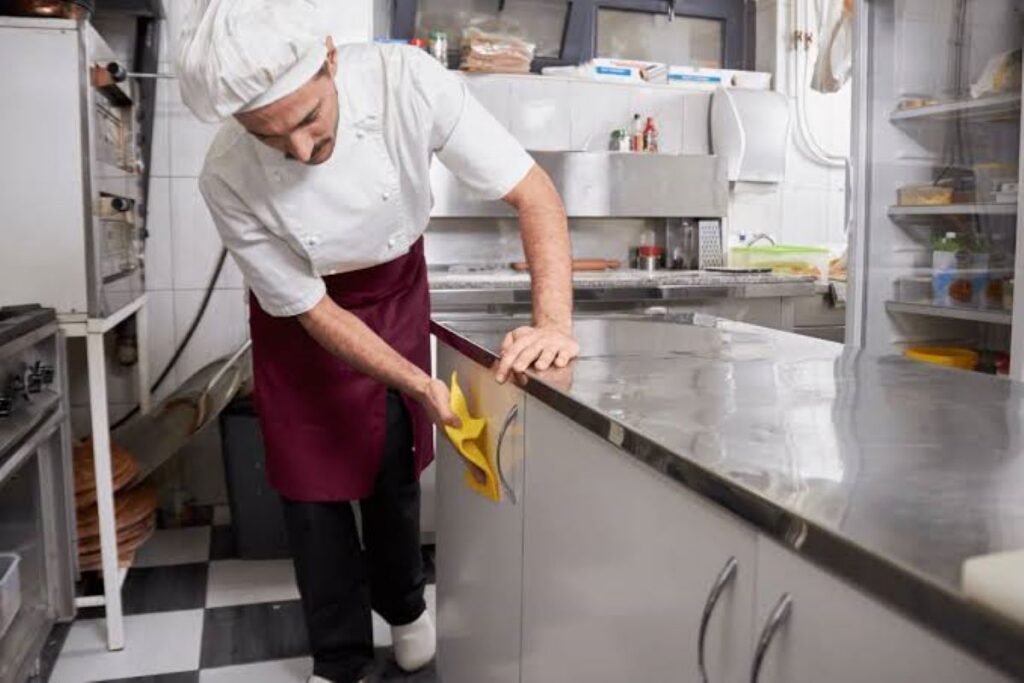
Many offices can be cleaned with standard vacuums, mops, and microfibre cloths. Clinical sites may require dedicated equipment per area, higher-filtration vacuums where appropriate, and tools designed for disinfection workflows.
In clinical cleaning services, it is common to keep equipment segregated so tools used in bathrooms or clinical rooms do not move into reception or staff areas.
How do schedules and frequencies differ?
Office cleaning is often once daily or a few times per week, depending on foot traffic. Clinical areas may require multiple touchpoint wipes across the day, end-of-day disinfection, and additional cleaning after procedures.
Clinical cleaning services may be timed around patient flow, consult blocks, and room turnover so cleaning supports operations without creating risk.
What does “terminal cleaning” mean, and why does it matter?
Terminal cleaning is a deeper clean performed after a room is vacated or after a higher-risk event, aiming to remove contamination before the next use. It is common in procedure rooms and isolation-style settings.
This is a key feature of clinical cleaning services, because it focuses on resetting a space to a safe baseline, not just making it look tidy.
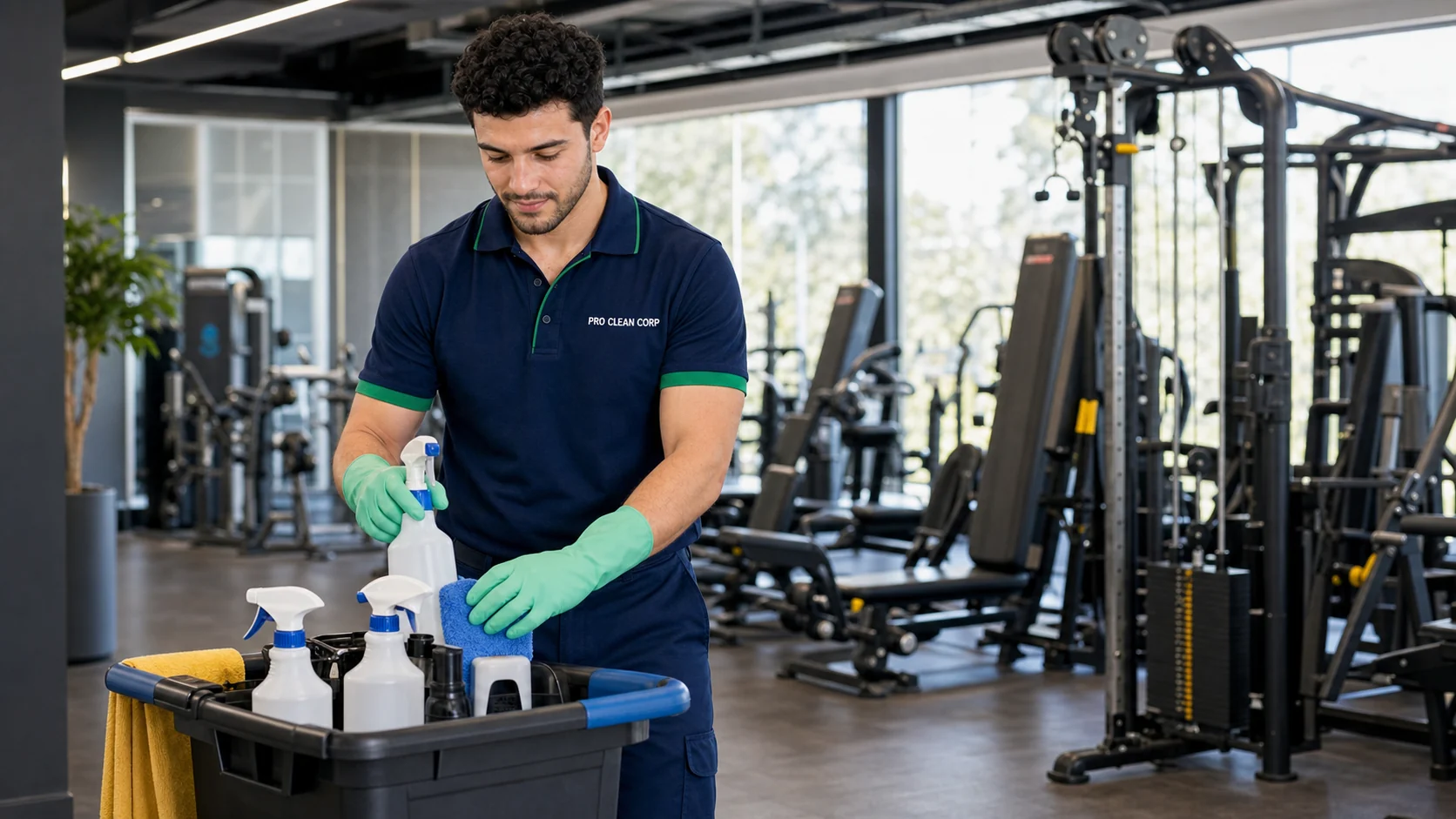
See Also : What Gym Cleaners Focus On Beyond Mats and Machines
How do documentation and checklists differ?
Office cleaning may use simple task lists and occasional audits. Clinical environments often require more detailed logs, room checklists, chemical records, and documented quality checks.
For clinical cleaning services, documentation helps prove consistency, supports investigations if an incident occurs, and gives management confidence that high-risk tasks were completed correctly.
How is quality measured in clinical cleaning compared to offices?
Office quality is usually judged by visible results: floors, bins, smells, and dust. Clinical quality includes those basics, but also checks on technique, contact times, and whether high-touch points were properly disinfected.
Many providers of clinical cleaning services also use structured audits and corrective actions because “looks clean” is not the same as “clinically safe.”
How do they respond to incidents like blood or body fluid spills?
In an office, spill response might be basic and ad hoc. In clinical settings, spills require immediate containment, correct disinfectant use, PPE, safe waste disposal, and sometimes area isolation.
This incident readiness is central to clinical cleaning services, because delays or incorrect steps can increase exposure risk for staff and patients.
What role do Australian standards and guidance play?
Australian healthcare environments are influenced by infection prevention expectations, workplace safety duties, and industry best practice. Even when a site is not a hospital, clinics often adopt healthcare-aligned protocols to reduce risk.
Because expectations can vary by sector and state, clinical cleaning services typically align to site policies and documented procedures rather than relying on informal habits.
How do they protect vulnerable people in aged care and disability settings?
In aged care and some disability support environments, residents may have higher vulnerability to infections. That increases the importance of consistent disinfection, correct chemical choice, and careful handling of shared areas.
Clinical cleaning services in these settings often focus on frequent touchpoint cleaning, bathroom hygiene, and safe practices that minimise disruption while improving protection.
What should Australian businesses ask when choosing between the two?
They should start by clarifying risk, not price. If a site includes treatment rooms, procedure areas, or frequent exposure to bodily fluids, clinical cleaning services are usually the safer match.
Useful questions include: What training do cleaners have? What products are used and what are their contact times? How are cloths and mops segregated? What documentation is provided? What is their incident response process?
Can one provider deliver both types without cutting corners?
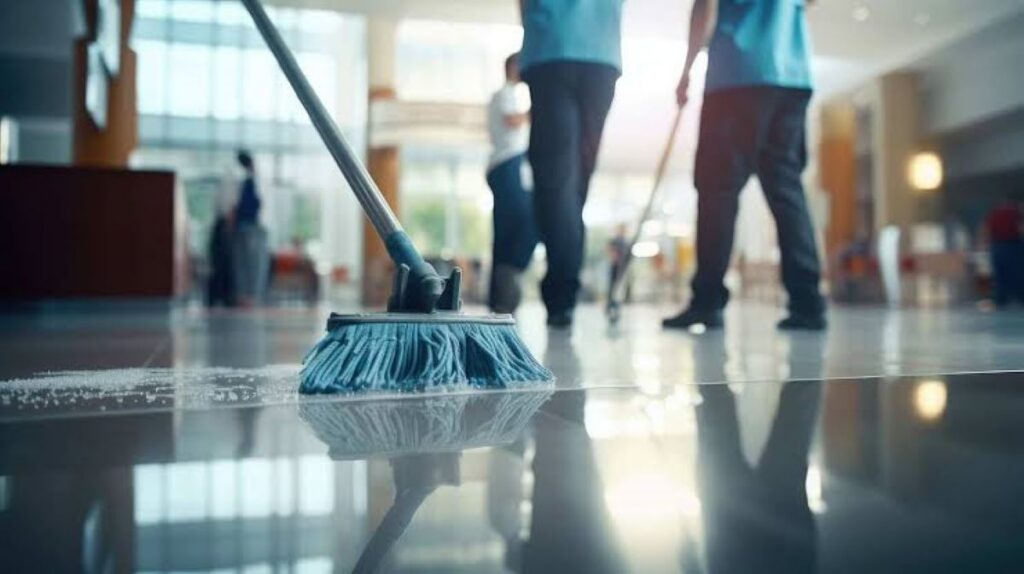
Yes, but only if they can separate processes properly. Many Australian facilities need office-style cleaning in admin areas and clinical-grade cleaning in consult rooms, and the provider must manage zoning, equipment segregation, and staff capability.
When done well, clinical cleaning services and office cleaning can coexist under one contract, as long as scope, standards, and verification are clear.
What is the simplest way to decide what level of cleaning is needed?
They should map the site into risk zones and match tasks to each zone. Admin areas may suit standard office cleaning, while treatment spaces, bathrooms, and high-touch reception points may need clinical-grade processes.
If there is uncertainty, it is safer to specify clinical cleaning services for any area where infection risk is credible, then scale routine office tasks elsewhere to control costs without lowering safety.