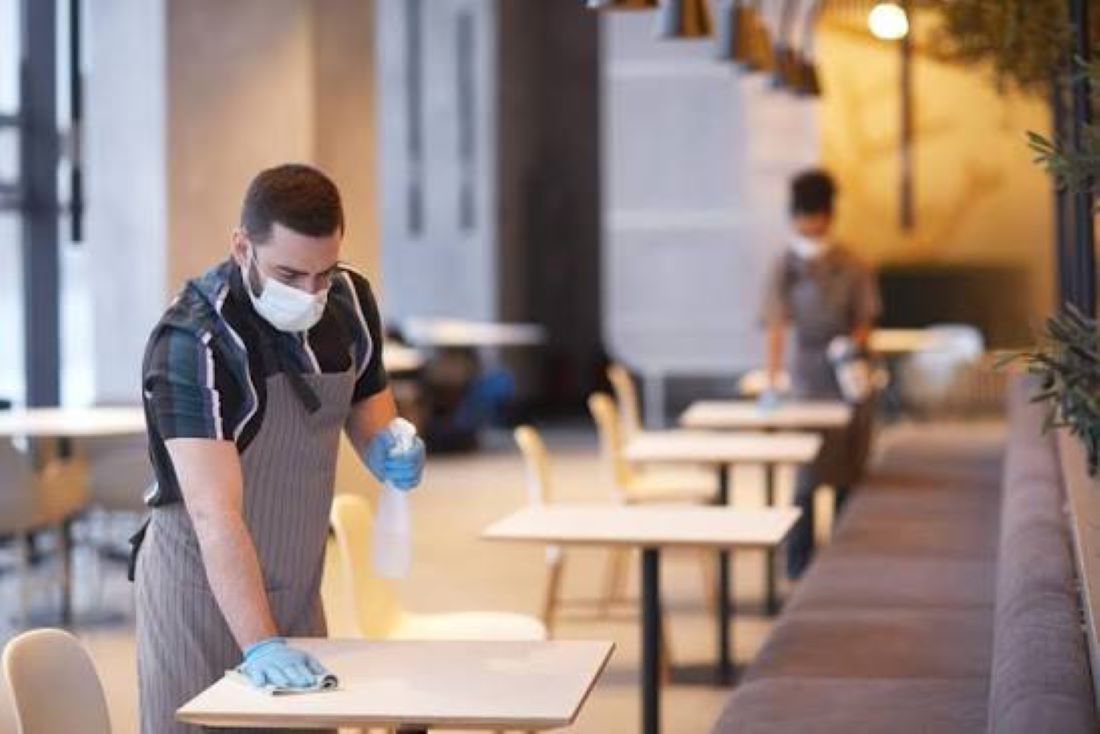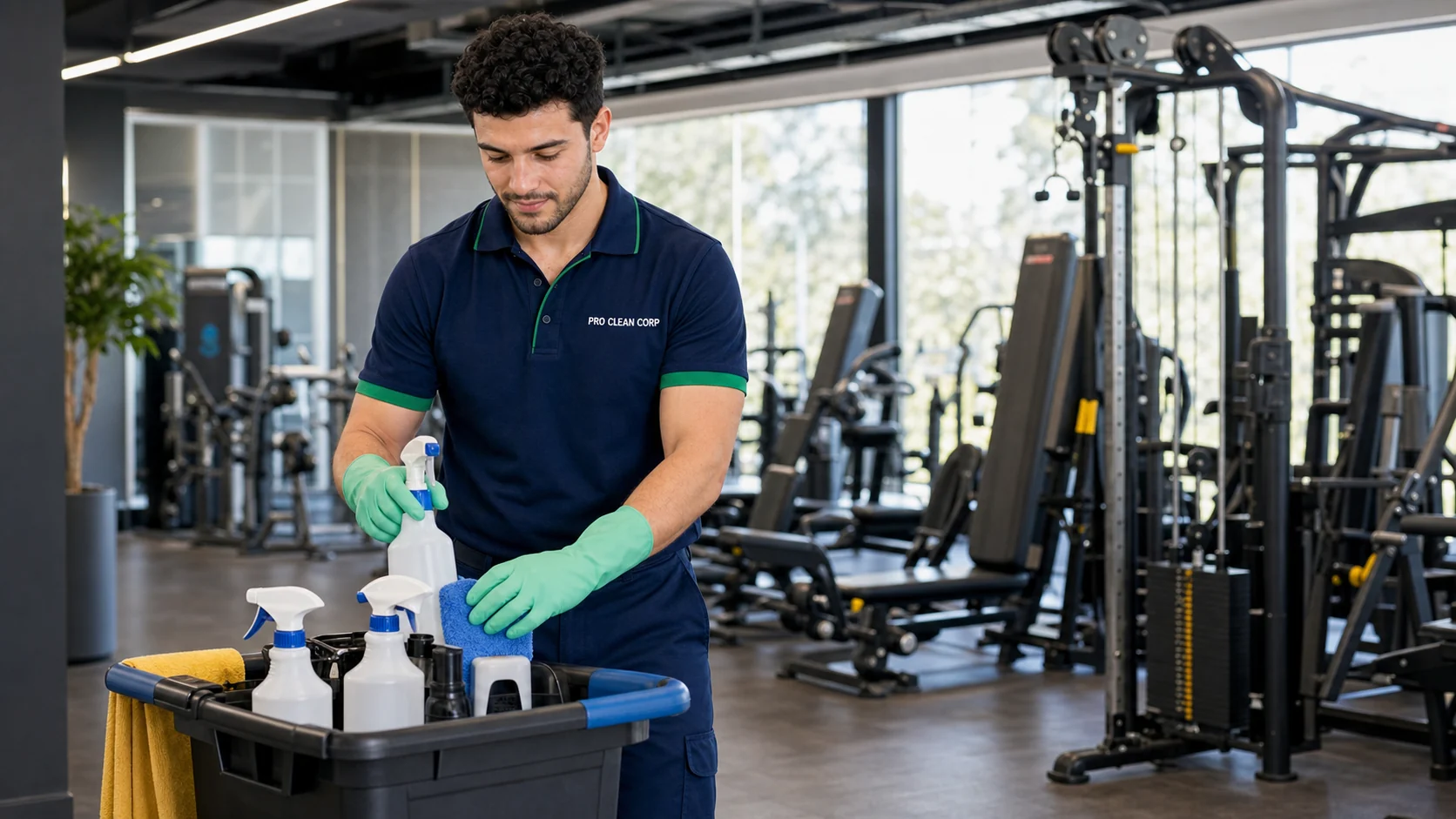
Most people notice clean floors and shiny machines, but gym cleaning services in Australia spend just as much time on the areas members touch, breathe around, and share. They focus on reducing germs, odours, and grime in high-traffic zones that can quietly undermine member experience and safety.
This is where professional routines, checklists, and the right products matter, especially in busy gyms across Sydney, Melbourne, Brisbane, Perth, Adelaide, Canberra, Hobart, and regional centres.
What do gym cleaners target first when they arrive?
They usually start with the highest-touch points and the areas that affect first impressions. That includes entry doors, reception counters, EFTPOS keypads, turnstiles, and waiting areas.
Gym cleaners often work to a timed rotation so the dirtiest contact points get attention early. It helps reduce transfer from hands to equipment, particularly during peak times before and after work.
Which high-touch surfaces do they clean that members rarely notice?
They focus on the small surfaces that thousands of hands hit each week. These are often dirtier than benches and barbells because they are overlooked.
Common targets include locker handles, tapware, toilet flush buttons, soap dispensers, hand dryers, water fountain buttons, stair rails, light switches, vending machine keypads, and door push plates. Good gym cleaning services treat these as priority items, not extras.
How do they manage change rooms and lockers to reduce odour and grime?
They aim to remove moisture, sweat residue, and bacteria that build up fast in enclosed spaces. Change rooms can smell clean while still harbouring grime in corners, drains, and grout.
They clean and disinfect benches, locker fronts, hooks, hair dryer stations, and shared amenities. Many gym cleaning services also focus on ventilation points and skirting edges where dust and lint collect and create a stale smell.
What do they do differently in showers and wet areas?
They focus on slip risk, soap scum, and microbial growth. Wet areas can become unsafe quickly if floors, drains, and tiles are not maintained properly.
They scrub tiles and grout lines, degrease floors, clean drains and grates, and disinfect touch points like mixer taps and shower controls. In many facilities, gym cleaning services also use products designed to work in humid environments without leaving slippery residues.
Why do toilets require a separate cleaning approach?
They separate tools and steps to prevent cross-contamination. Toilets are not just about appearance; they are about pathogen control and smell control.
They disinfect cubicles, seats, flush plates, and surrounding walls, then finish with mirrors, basins, and floors. Quality gym cleaning services also restock consumables and report issues like leaks, blocked drains, or broken dispensers that lead to hygiene problems.
How do they keep cardio zones from becoming a germ hotspot?
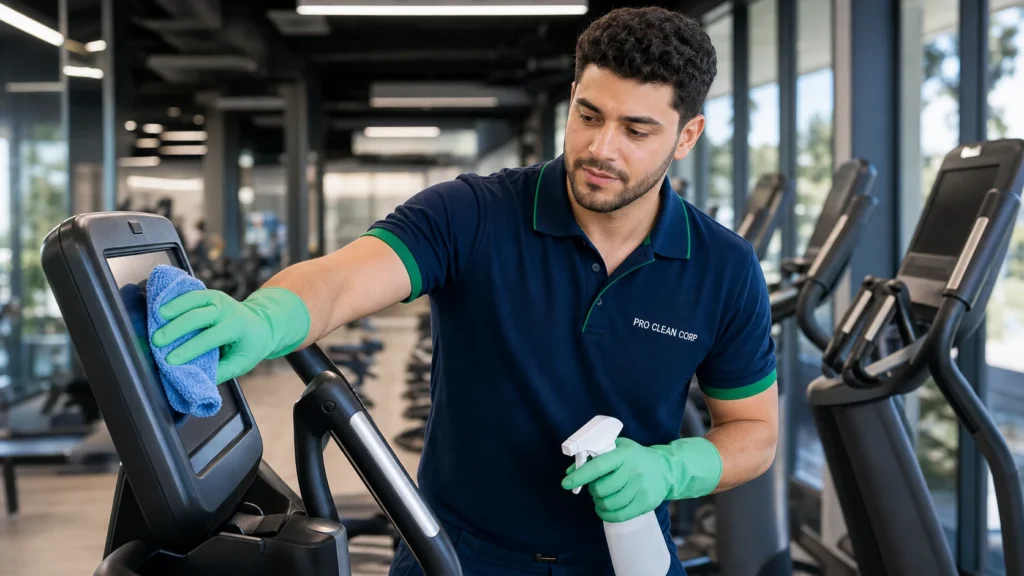
They focus on sweat zones and shared contact points that are touched repeatedly during high-intensity sessions. Cardio equipment spreads sweat mist and skin oils onto nearby surfaces.
They wipe and disinfect handles, consoles, buttons, cup holders, fan vents, and side rails. They also clean the floor underneath and around machines where sweat drips collect. Well-run gym cleaning services often schedule extra spot-cleans during busy periods.
What role does air quality play in gym cleaning?
They treat air quality as part of cleanliness, not separate from it. Dust, deodorant aerosols, chalk, and lint can circulate and settle onto surfaces members then touch.
They dust high ledges, vents, fans, and exposed duct areas where accessible, and they vacuum with proper filtration where needed. Some gym cleaning services also coordinate with maintenance teams on filter changes and mould risks, especially in humid coastal areas.
Do they clean and disinfect group fitness accessories beyond mats?
Yes, they focus on anything shared, gripped, or pressed against skin. Accessories can transfer microbes fast because people swap them during classes.
They clean items like dumbbells, kettlebells, resistance bands, yoga blocks, straps, Pilates rings, steps, bike seats in studios, and storage racks. In many Australian studios, gym cleaning services also disinfect shared props bins and wipe shelving to prevent dust buildup.
How do they handle kids’ creche and family areas in gyms?
They take a higher-caution approach because children touch surfaces more frequently and are more likely to share items. These areas also include soft surfaces that hold odours and allergens.
They clean play mats, toy storage, tables, chair backs, door handles, and pram parking zones. Gym cleaning services typically use suitable disinfectants and pay attention to sticky residues, crumbs, and smudges that can attract pests if ignored.
What do they clean in staff-only spaces that affects members indirectly?
They maintain the operational areas that keep hygiene consistent across the facility. If staff spaces are neglected, it can lead to shortcuts, missed refills, or inconsistent cleaning tools.
They clean staff bathrooms, break rooms, offices, storage cupboards, and chemical stations. Reliable gym cleaning services also keep mop heads, cloths, and caddies clean so they are not spreading grime from one zone to another.
How do they prevent cross-contamination between zones?
They use zoning, colour-coded tools, and defined workflows. The goal is to stop toilets, bins, and floor grime from contaminating training areas.
They typically separate cloths and mops by area, change gloves between tasks, and follow a top-to-bottom routine. Professional gym cleaning services also document processes so multiple cleaners can deliver the same standard across shifts.
What chemicals and equipment matter most for modern gyms?
They match products to surfaces and soil types rather than using a single spray everywhere. Incorrect chemicals can damage rubber flooring, corrode metals, or leave slick residues.
They use hospital-grade disinfectants where required, neutral cleaners for daily wipe-downs, and degreasers for body oils on vinyl and tiles. Many gym cleaning services also rely on microfibre systems, HEPA vacuums, and measured dilution to improve results and consistency.
Other Resources : Clean smart. Hygiene and cleaning
How do they handle bins and waste to control smell and pests?
They remove waste before it becomes a hygiene issue. Gyms generate sweaty wipes, drink containers, paper towels, and bathroom waste that can smell quickly.
They empty bins, clean bin lids and surrounds, replace liners, and disinfect bin stations. In warmer Australian months, gym cleaning services often increase attention to waste areas and external bin zones to reduce flies, ants, and lingering odours.
How often should the “hidden” areas be cleaned?
They schedule them so build-up never becomes a major job. Hidden areas include corners, skirting lines, behind doors, under benches, and storage nooks.
They rotate deep-clean tasks weekly or monthly depending on foot traffic. This is where gym cleaning services can add value, because their checklists ensure the facility does not slowly degrade while only the obvious areas stay presentable.
What should Australian gyms ask for in a cleaning checklist?
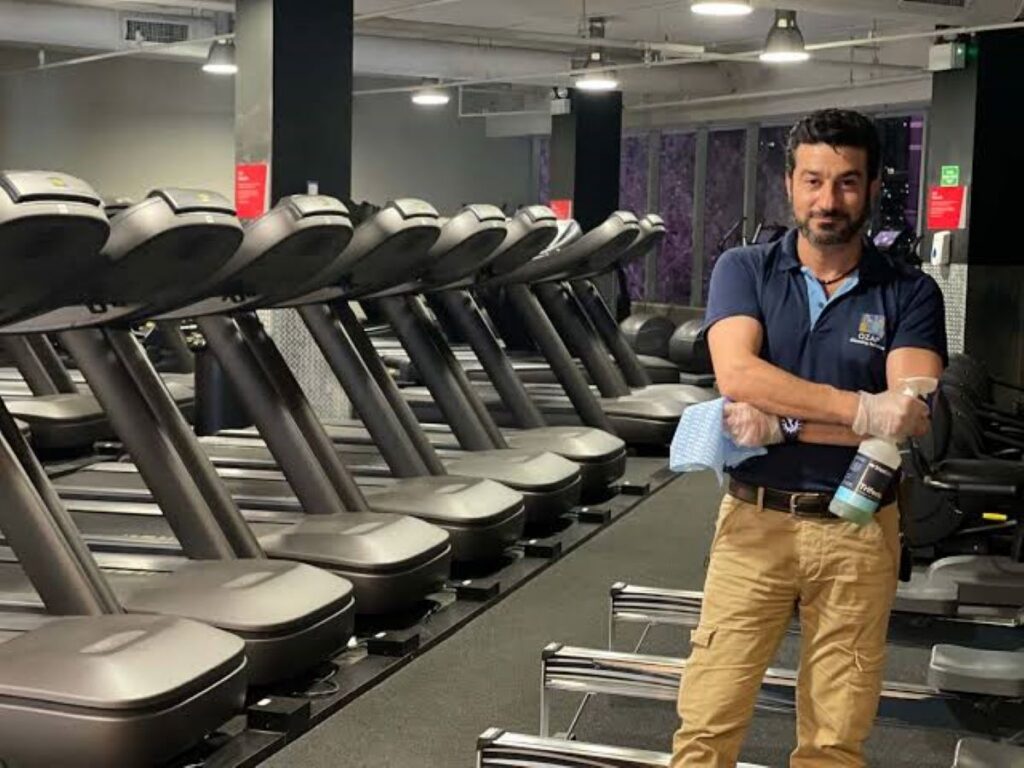
They should ask for a checklist that covers touch points, wet areas, ventilation dust, consumable refills, and a clear deep-clean rotation. A good checklist shows what gets done daily, weekly, and monthly.
They should also ask how issues are reported, how cross-contamination is prevented, and which surfaces need special care. The right gym cleaning services will tailor this to the gym’s layout, class schedule, and peak times.
What is the main takeaway for members and owners?
They should expect cleaning to go far beyond what is visible on the floor. The best results come from consistent attention to touch points, wet areas, airflow dust, and the small corners members rarely check.
When gym cleaning services are thorough, gyms feel better, smell better, and present as safer spaces for training across Australia.
More to Read : How Clinical Cleaning Services Differ From Standard Office Cleaning